
The 2026 commercial real estate (CRE) market is anticipated to be a year of cautious optimism, with improving capital market conditions, stabilizing interest rates, and a focus on operational efficiency and high-quality assets.
The outlook varies significantly by sector, with strong demand expected for data centers, industrial properties, and multifamily housing, while the office market continues to face challenges.
General Market and Economic Outlook
- Cautious Optimism: While a Deloitte survey noted a slight dip in extreme optimism, 83% of global executives still expect revenue gains by the end of 2026. The overall sentiment index remains positive.
- Stabilizing Interest Rates: After a period of high volatility, interest rates are expected to stabilize (potentially ranging between 5.5% and 6.5% for some loans) and likely trend lower, which should help unlock investment capital and boost refinancing activity.
- Capital Availability: Capital is re-engaging, with an expected 15% to 20% increase in sales volume. Lenders, including banks and private credit sources, are more active but remain selective, favoring deals with stable cash flows and strong fundamentals.
- Focus on Efficiency: Businesses will prioritize operational efficiency, labor access, and functionality as much as rental rates when making location decisions.
- Risk Management: Investors are increasingly using data and technology to assess a broader range of risks, including cybersecurity threats, rising insurance costs, and exposure to natural disasters.
Sector-Specific Predictions
| Sector | 2026 Outlook | Key Drivers and Trends |
|---|---|---|
| Office | Uneven recovery, “flight to quality” remains critical. | * High vacancy rates persist nationally, but Class A, amenity-rich buildings in prime locations are in high demand and performing well. |
- Construction pipelines are at historic lows, which should help stabilize existing high-quality assets.
- Older, lower-quality (Class B and C) office buildings are struggling and may be targeted for adaptive reuse projects (e.g., residential or mixed-use conversions). |
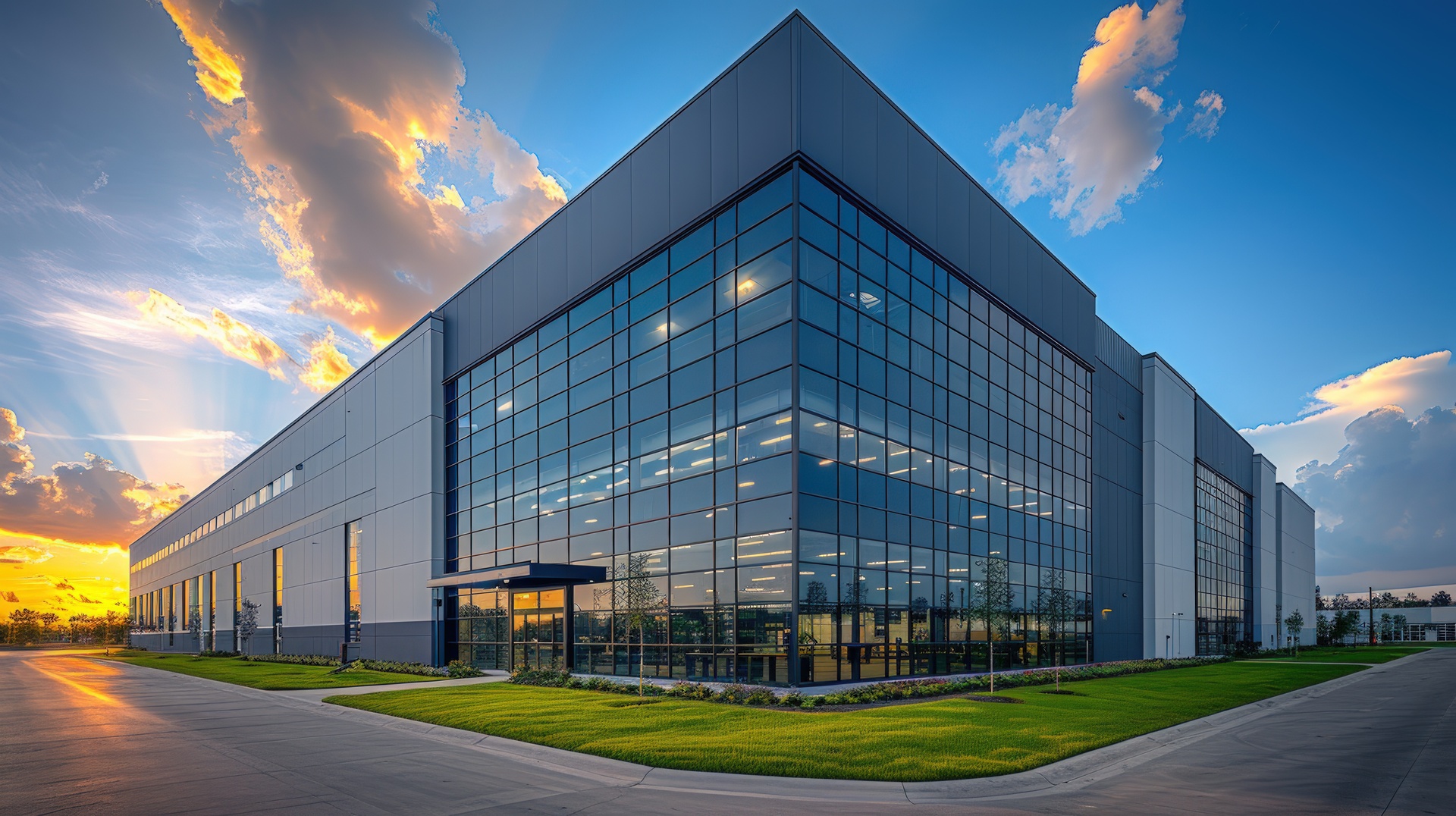
| Industrial & Logistics | Continued resilience but normalizing from peak demand. | * E-commerce growth and supply chain optimization support long-term demand. - New supply has outpaced demand in some areas, but development is expected to slow, allowing vacancy rates to stabilize and potentially tighten in late 2026.
- Properties with functional obsolescence will struggle; modern, efficient facilities will remain a “bright spot”. |
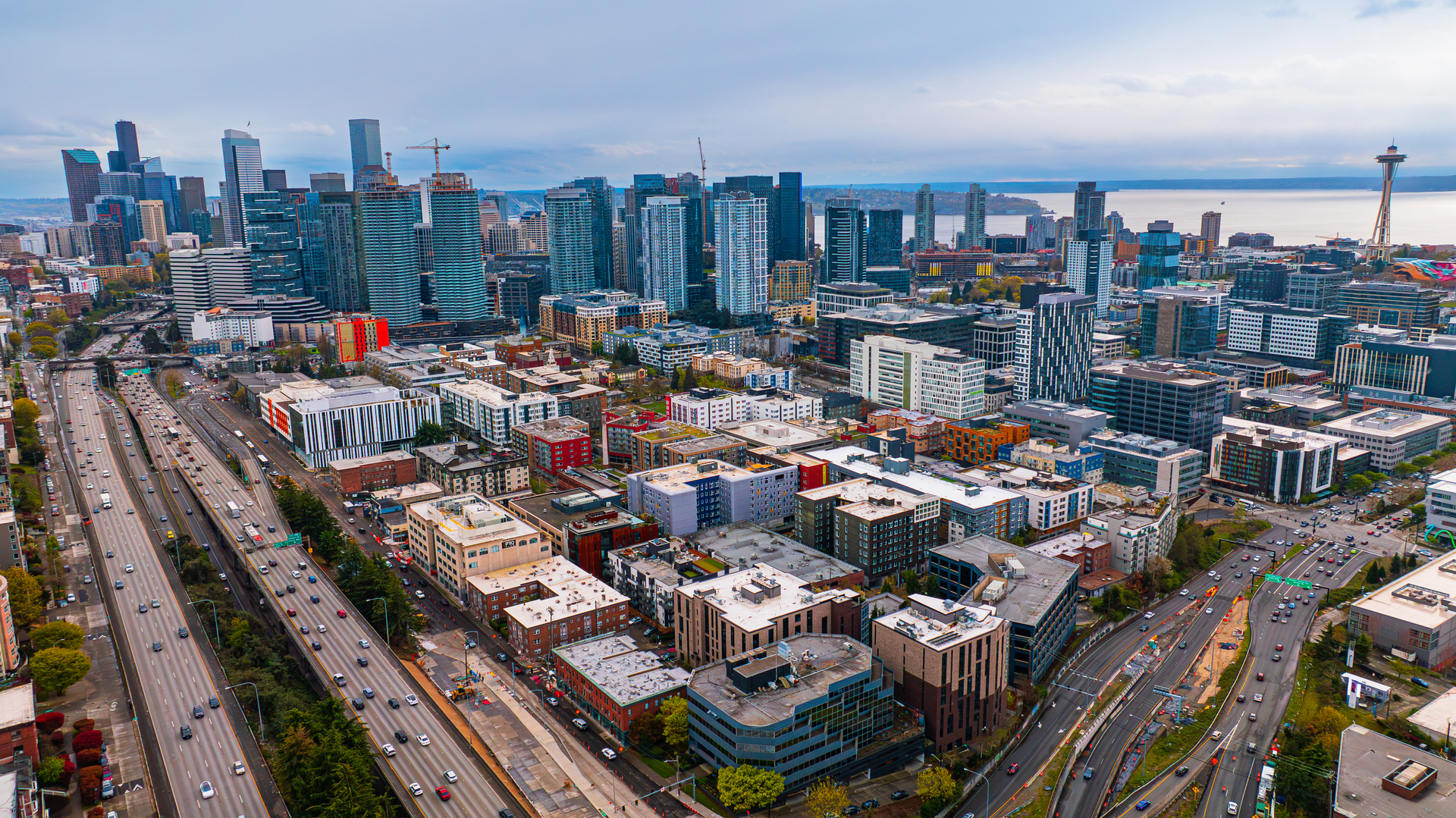
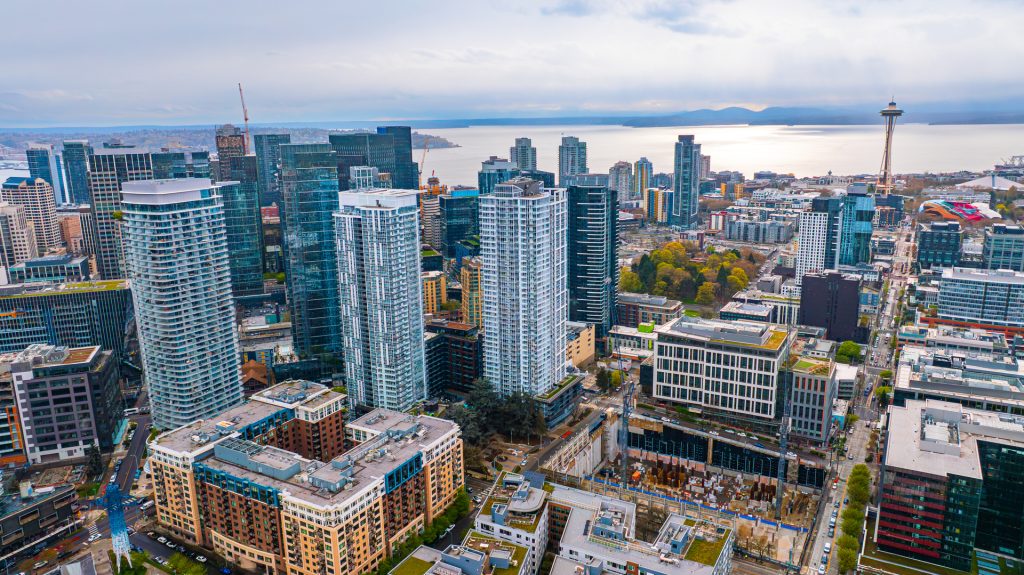
| Multifamily | Strong fundamentals and steady demand. | * High homeownership costs and demographic trends continue to drive strong renter demand. - Rent growth may slow in Sun Belt markets due to high new supply, but markets with supply constraints (e.g., Chicago, New York, Seattle) are expected to perform well.
- Affordable and workforce housing initiatives are an emerging opportunity. |
| Retail | Resilient performance, particularly in necessity and experiential formats. | * Vacancy rates are near historic lows with limited new construction. - Consumer spending is more selective, focusing on essentials and experiences.
- Grocery-anchored centers and walkable locations are strong performers. |
| Alternatives | High growth and strong investor interest. | * Data centers are a top investment target, driven by soaring AI, cloud computing, and streaming demands. - Life sciences, medical offices, and senior housing also show strong, resilient demand based on demographic shifts. |
Key Takeaways for 2026
The market environment favors discipline and selectivity. Investors and operators who focus on asset quality, steady income, and markets with long-term demand drivers will be best positioned for success as the market moves from resilience to renewed momentum.
Sector-Specific Predictions
- Industrial: This sector is expected to remain a strong performer, driven by e-commerce, onshoring, nearshoring, and demand for modern logistics facilities and data centers. Construction has slowed significantly, which is helping vacancy rates stabilize.
- Data Centers: Demand is soaring due to the expansion of AI and cloud computing infrastructure, keeping vacancies near historic lows and making them a top investment target.
- Multifamily: Fundamentals remain solid, supported by high home prices and strong renter demand. A large supply of new units in some markets has eased rent growth in the near term, but long-term demand is stable.
- Retail: The retail sector is resilient, with a shift towards smaller footprints in walkable, mixed-use locations. Grocery-anchored and experience-based properties are performing well, but overall consumer spending caution remains a factor.
- Office: The office market is broadly seen as having bottomed out. A significant “flight-to-quality” trend favors premium Class A buildings with amenities, while older, lower-quality (Class B and C) properties struggle with high vacancies.
Key Market Dynamics
- Capital Markets: Transaction volume is expected to increase by 15% to 20% in 2026 as institutional investors and cross-border capital reenter the market. Lenders are cautiously re-engaging, but capital remains selective, favoring assets with stable cash flow and strong fundamentals.
- Interest Rates: As the Federal Reserve is expected to lower interest rates by late 2026, borrowing costs are gradually improving, which is helping to unlock investment capital.
- Operational Efficiency: There is a strong emphasis on asset management and operational efficiency, with technology (PropTech) and data analytics playing a more critical role in decision-making and risk management.
- Adaptive Reuse: Converting underutilized office and retail spaces into residential units or mixed-use projects is becoming a strategic and core development approach to address housing shortages and changing demand patterns.
What are the risks for commercial real estate in 2026?
The primary risk for commercial real estate (CRE) in 2026 is the refinancing of a massive volume of maturing debt in a persistently high interest rate environment, which exacerbates property valuation challenges and liquidity issues, especially for older office buildings. Other key risks include economic uncertainty, shifting tenant demands, and increasing operational costs.
Major Risks in 2026
- Debt Maturity and Refinancing Risk: Over $1.5 trillion in CRE loans are scheduled to mature by the end of 2026, with nearly $1 trillion coming due in 2025 alone (many of which were previously extended). Many borrowers who locked in low interest rates during the pandemic now face significantly higher borrowing costs upon refinancing, leading to potential financing gaps, higher equity requirements, or even forced asset sales.
- Interest Rate Volatility and Economic Uncertainty: While rates have eased slightly, they remain higher than historic lows. The ongoing potential for economic shifts, inflation changes, and unpredictable fiscal and monetary policies can impact property valuations and investor returns, making decision-making difficult.
- Structural Shifts in Tenant Demand:
- Office Sector Challenges: High vacancy rates (around 23% in some markets) persist due to the prevalence of hybrid and remote work models. A distinct “flight-to-quality” means older, lower-quality (Class B and C) buildings struggle to attract tenants and face a higher risk of obsolescence.
- Slowing Population Growth: Decelerating population growth, migration, and household formation create challenges for forecasting demand across sectors, making the “build it and they will come” model inherently riskier.
- Rising Operational Costs and Regulatory Burden: Property owners face increasing operating expenses, including rising insurance premiums due to climate-related risks, higher labor and material costs, and the need for costly renovations to meet modern energy and sustainability (ESG) standards.
- Liquidity and Capital Availability: Transaction volumes have been sluggish, which has trapped institutional equity in existing funds and made it challenging to raise new capital. While capital is re-engaging selectively, lenders remain cautious and favor lower-risk deals with stable cash flows, creating liquidity risks for owners of riskier assets.
- Technology and Cybersecurity: Increased reliance on PropTech (property technology) and smart building systems introduces heightened risks of cybersecurity threats and data breaches. Property owners must invest in data infrastructure and security protocols to mitigate these risks.